
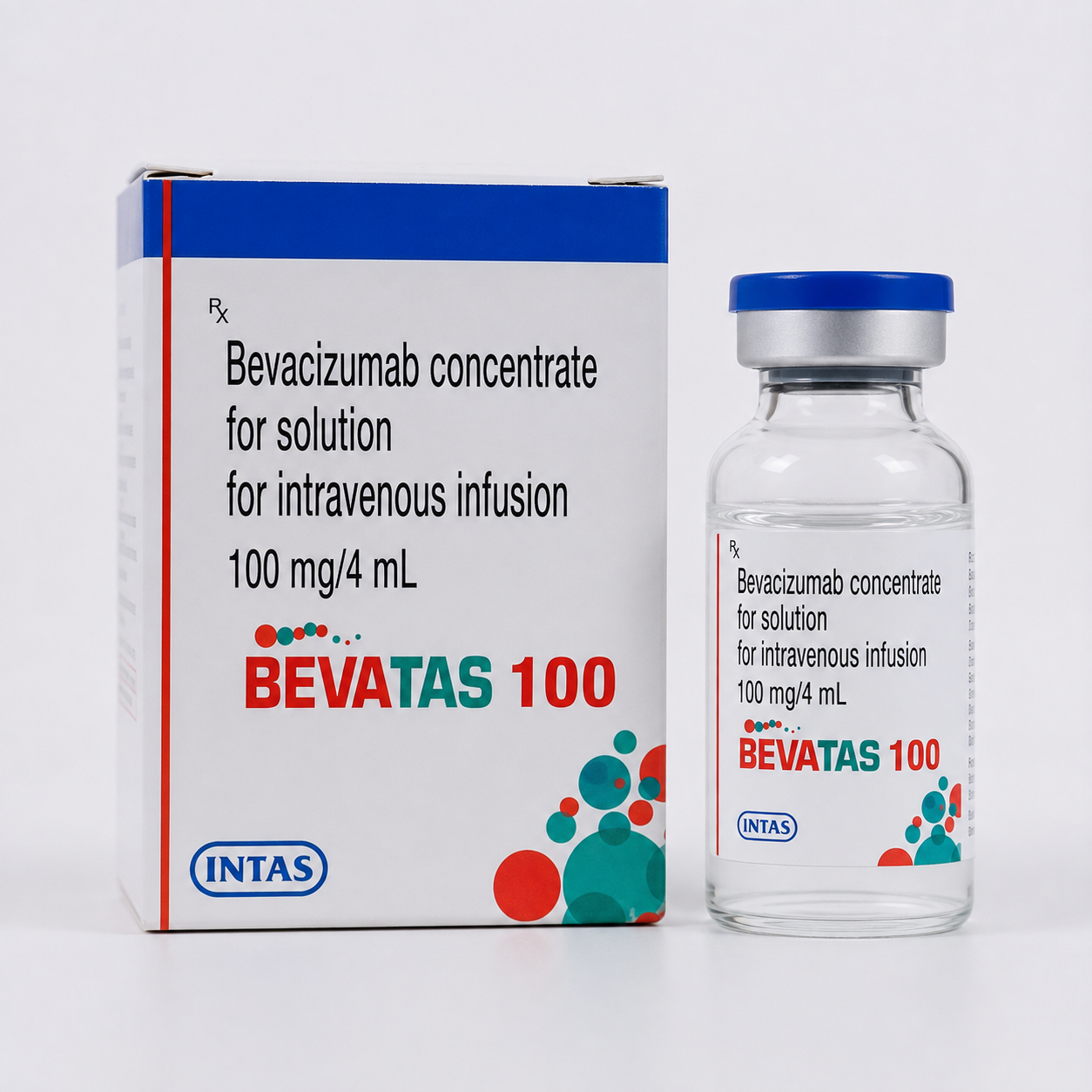
What is Bevatas 100?
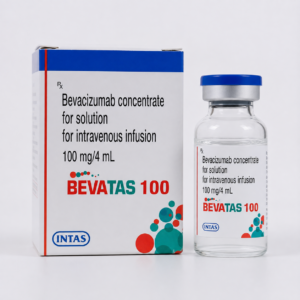
Bevatas 100 contains bevacizumab, a recombinant monoclonal antibody used as an anti-cancer treatment in appropriate clinical settings. The product shown contains 100 mg of bevacizumab in 4 mL, corresponding to a concentration of 25 mg/mL. The presentation is intended for intravenous infusion rather than oral use.
Bevacizumab targets VEGF-A, a signaling protein that contributes to the development of blood vessels. By binding to VEGF and reducing its biological activity, bevacizumab can inhibit angiogenesis, or the formation of new blood vessels. This anti-angiogenic effect can help limit the blood supply that certain tumors depend on.
Depending on the patient’s cancer and treatment plan, bevacizumab may be used alongside other anti-cancer medicines. Approved uses vary by country and product labeling. In the United States, bevacizumab products have labeled uses that include certain colorectal cancers, non-squamous non-small-cell lung cancer, glioblastoma, renal cell carcinoma, cervical cancer, and selected ovarian, fallopian tube, and primary peritoneal cancers.
Bevatas 100 Uses
Bevatas 100 may form part of treatment for certain cancers when bevacizumab is considered clinically appropriate. Depending on the applicable regulatory approval and treatment protocol, bevacizumab may be used for:
- Selected forms of metastatic colorectal cancer.
- Certain unresectable, locally advanced, recurrent, or metastatic non-squamous non-small-cell lung cancers.
- Recurrent glioblastoma in adults under applicable indications.
- Metastatic renal cell carcinoma in selected treatment combinations.
- Persistent, recurrent, or metastatic cervical cancer in appropriate treatment regimens.
- Selected epithelial ovarian, fallopian tube, or primary peritoneal cancers.
The precise indication depends on the cancer type, disease stage, treatment history, local regulatory approval, and the oncology team’s treatment plan.
Bevatas 100 Benefits
The potential clinical benefits of bevacizumab are related to its ability to inhibit VEGF-mediated blood-vessel formation. In appropriately selected patients, this mechanism can contribute to cancer treatment when combined with other therapies.
Potential treatment-related benefits may include:
- Supporting an established cancer-treatment strategy.
- Helping inhibit tumor-associated angiogenesis.
- Supporting disease control in cancers for which bevacizumab is an approved treatment.
- Contributing to combination treatment with chemotherapy or other anti-cancer therapies when clinically appropriate.
- Providing a targeted approach to the VEGF signaling pathway.
Bevatas 100 should not be described as a universal cancer cure. Treatment response differs between individuals and depends on the cancer type, stage, biology, and other treatments being used.
How Does Bevatas 100 Work?
Bevacizumab is designed to bind to vascular endothelial growth factor (VEGF). VEGF plays an important role in signaling the body to form new blood vessels.
Some tumors produce or depend on VEGF-related signaling to develop and maintain their blood supply. By blocking VEGF activity, bevacizumab reduces signaling involved in new blood-vessel formation. This process is called anti-angiogenesis.
The result is not simply a direct destruction of cancer cells. Instead, bevacizumab interferes with a biological pathway that can support tumor growth. For this reason, it is often incorporated into combination cancer-treatment plans rather than being considered a standalone treatment for every cancer.
How is Bevatas 100 Given?
Bevatas 100 is an intravenous infusion medicine and is administered by trained healthcare professionals in an appropriate clinical setting. It should not be self-administered.
The treatment schedule and amount are determined by the oncology team according to the specific cancer, treatment combination, patient characteristics, and applicable prescribing information. The official product information states that bevacizumab should not be administered as an intravenous push or bolus.
Patients should follow their oncology team’s instructions and should not change, delay, or discontinue treatment independently.
Bevatas 100 Side Effects
Like all medicines, Bevatas 100 may cause side effects, although not everyone experiences them.
Common Side Effects
Possible adverse effects associated with bevacizumab include:
- High blood pressure
- Nosebleeds
- Headache
- Protein in the urine
- Taste changes
- Dry skin
- Back pain
- Rhinitis or nasal symptoms
- Certain bleeding-related symptoms
- Infusion-related reactions
The actual effects experienced can vary depending on the individual and other anti-cancer medicines being used.
Serious Side Effects
Bevacizumab can also cause serious complications requiring prompt medical attention, including:
- Gastrointestinal perforation or fistula formation
- Serious bleeding
- Arterial or venous blood-clotting events
- Severe or uncontrolled hypertension
- Kidney complications associated with significant proteinuria
- Serious infusion reactions
- Wound-healing complications
- Certain neurological complications such as posterior reversible encephalopathy syndrome
The prescribing information highlights these risks and recommends appropriate clinical monitoring.
If concerning or severe symptoms develop during treatment, medical attention should be sought promptly.
Warnings and Precautions
Bevatas 100 requires specialist medical supervision. Before treatment, the healthcare team should be informed about relevant medical history, especially:
- High blood pressure or cardiovascular disease
- Previous or current bleeding problems
- Blood-clotting conditions
- Kidney problems or significant proteinuria
- Gastrointestinal conditions
- Recent or planned surgery
- Previous radiation treatment where relevant
- Allergies or previous infusion reactions
- Pregnancy or plans to become pregnant
- Breastfeeding
Bevacizumab may impair wound healing and can cause serious gastrointestinal complications. Blood pressure and urinary protein may require monitoring during treatment.
Pregnancy requires particular caution because bevacizumab may cause fetal harm. The Intas product information states that animal studies have demonstrated reproductive toxicity and that bevacizumab is suspected to cause serious fetal harm.
Drug Interactions
Bevacizumab can be used as part of combination cancer-treatment regimens, so the complete medication history is important.
Patients should tell their healthcare team about:
- Prescription medicines
- Non-prescription medicines
- Cancer treatments
- Anticoagulants or medicines affecting blood clotting
- Vitamins
- Herbal products and supplements
The oncology team can assess potential interactions and determine whether additional monitoring is necessary.
Storage Information
Bevatas 100 should be stored and handled according to the manufacturer’s approved product information and the requirements of the healthcare facility.
General precautions include:
- Keep the medicine in its original packaging until required.
- Protect it from inappropriate environmental conditions.
- Follow the labeled storage temperature.
- Protect from light where specified.
- Keep medicines away from children.
- Do not use a product beyond its expiry date.
- Healthcare professionals should inspect injectable products before use according to applicable procedures.
Because this is an injectable oncology medicine, storage and preparation should be managed by appropriately trained healthcare personnel.
Bevatas 100 Price and Manufacturer
Product: Bevatas 100
Active Ingredient: Bevacizumab
Strength: 100 mg/4 mL
Dosage Form: Concentrate for solution for intravenous infusion
Manufacturer: Intas Pharmaceuticals Ltd.
Therapeutic Category: Antineoplastic / immunomodulatory medicine
The Bevatas 100 price can vary according to location, pharmacy, applicable taxes, procurement arrangements, and other factors. Current pricing should be confirmed through an authorized healthcare or pharmaceutical channel rather than relying on an outdated online listing.
Frequently Asked Questions
1. What is Bevatas 100 used for?
Bevatas 100 contains bevacizumab and is used as part of treatment for selected cancers where VEGF inhibition is clinically appropriate. Depending on the approved indication, bevacizumab may be used in certain colorectal, lung, brain, kidney, cervical, ovarian, fallopian tube, and primary peritoneal cancers. The exact indication depends on local regulatory approval and the patient’s treatment plan.
2. What is the active ingredient in Bevatas 100?
The active ingredient is bevacizumab, a recombinant monoclonal antibody that targets vascular endothelial growth factor (VEGF). Bevatas 100 contains 100 mg of bevacizumab in a 4 mL presentation. Intas identifies Bevatas as a bevacizumab product within its oncology portfolio.
3. How does Bevatas 100 work?
Bevatas 100 works through bevacizumab, which binds to VEGF and inhibits VEGF-related signaling. VEGF contributes to the development of new blood vessels. Blocking this pathway can reduce tumor-associated angiogenesis and may support disease control in cancers for which bevacizumab is an appropriate treatment.
4. Is Bevatas 100 a chemotherapy medicine?
Bevatas 100 is not a conventional cytotoxic chemotherapy drug. Its active ingredient, bevacizumab, is a targeted biologic therapy that inhibits VEGF. However, bevacizumab is frequently incorporated into combination cancer-treatment regimens with chemotherapy or other treatments, depending on the specific cancer and approved indication.
5. What are the common Bevatas 100 side effects?
Possible adverse effects include high blood pressure, nosebleeds, headache, proteinuria, taste changes, dry skin, back pain, and nasal symptoms. Other adverse reactions may occur, particularly when bevacizumab is combined with other anti-cancer treatments. Patients should discuss persistent or concerning symptoms with their healthcare team.
6. Can Bevatas 100 cause serious complications?
Yes. Bevacizumab has important safety risks, including serious bleeding, gastrointestinal perforation or fistula, blood-clotting events, hypertension, proteinuria, wound-healing complications, and severe infusion reactions. These risks are why treatment requires specialist supervision and appropriate monitoring.
7. Can Bevatas 100 be used during pregnancy?
Bevacizumab may cause fetal harm and should not be considered appropriate during pregnancy unless specifically evaluated by a qualified specialist under applicable medical guidance. Patients who are pregnant, planning pregnancy, or who could become pregnant should discuss this with their healthcare provider before treatment.
8. Is Bevatas 100 given as an injection?
Bevatas 100 is supplied as a concentrate for intravenous infusion. It is administered by trained healthcare professionals rather than being taken orally or self-administered. The method and treatment schedule are determined by the oncology team according to the patient’s specific treatment plan.
9. Who should be informed before treatment with Bevatas 100?
Patients should tell their healthcare team about significant medical conditions, previous bleeding or clotting problems, high blood pressure, kidney problems, recent or planned surgery, pregnancy, breastfeeding, allergies, and all medicines or supplements they are taking. This information helps clinicians evaluate whether bevacizumab is appropriate and what monitoring may be needed.
10. Where should Bevatas 100 be stored?
Bevatas 100 should be stored and handled according to the manufacturer’s approved storage instructions. As an injectable biologic medicine, it requires appropriate pharmaceutical handling. Patients should not attempt to store, prepare, or administer it independently; healthcare facilities should follow the product information and applicable cold-chain and handling procedures.
Medical Disclaimer
This product description is provided for educational and informational purposes only. It is not a substitute for professional medical advice, diagnosis, or treatment. Bevatas 100 is a prescription oncology medicine and should only be selected, administered, and monitored by qualified healthcare professionals.
Do not self-medicate or change cancer treatment based solely on information found online. Individual treatment decisions depend on the patient’s diagnosis, medical history, other medicines, laboratory findings, and the judgment of the treating oncology team. Always refer to the current approved product information and your healthcare professional for medicine-specific guidance.
Reviews
There are no reviews yet.