
Important: Cyclophosphamide is a prescription chemotherapy and immunosuppressive medicine. It must be prepared and administered by qualified healthcare professionals according to the patient’s diagnosis and treatment protocol. The information below is for educational purposes and should not replace medical advice.
What is Cyclophosphamide Injection IP 200mg?
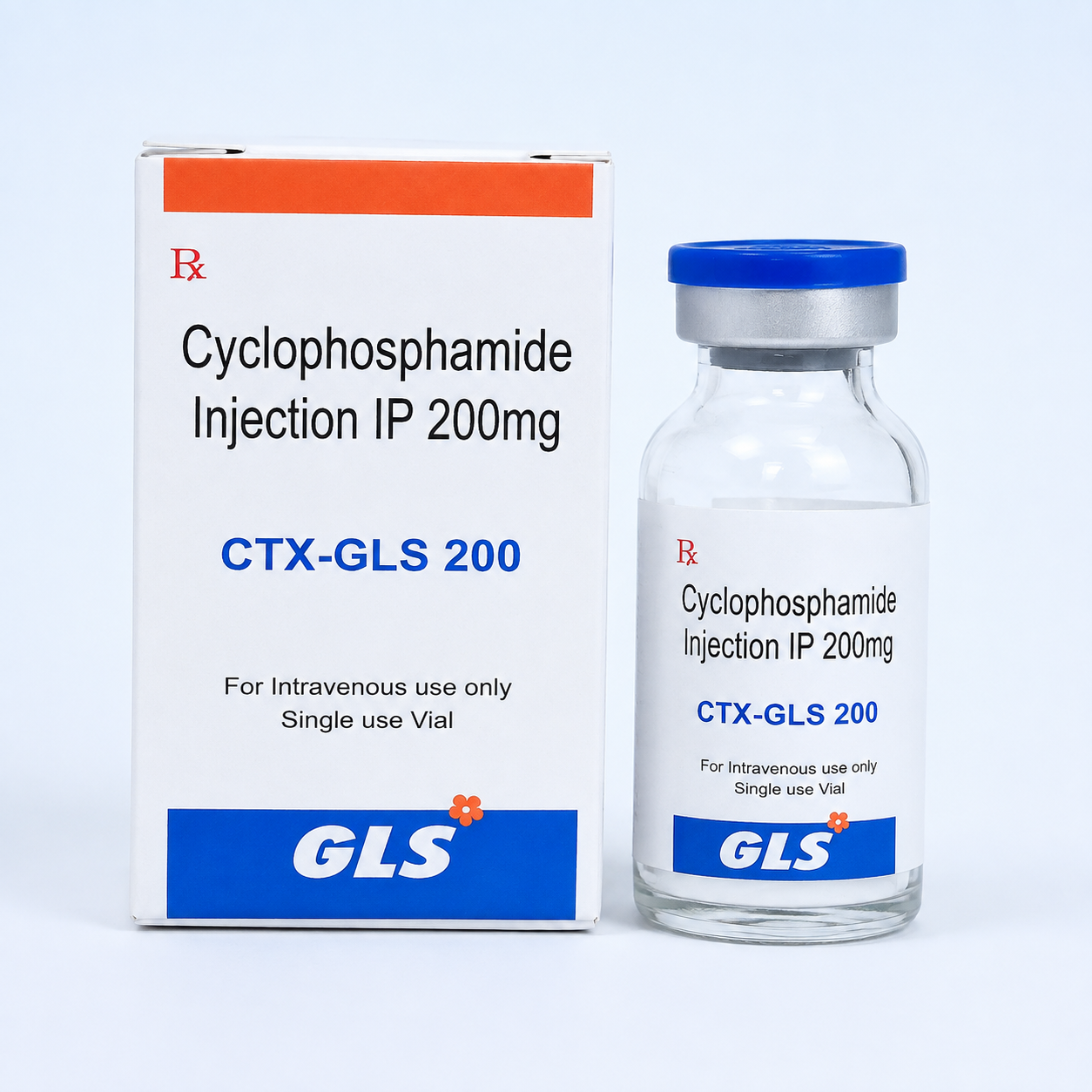
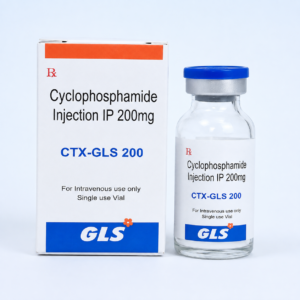
Cyclophosphamide Injection IP 200mg, shown in the supplied pack as CTX-GLS 200, contains cyclophosphamide, a medicine belonging to the alkylating-agent class of chemotherapy drugs. Cyclophosphamide is converted in the body into active metabolites that interact with DNA and interfere with DNA replication. This can prevent rapidly dividing cells from continuing to grow and can lead to their destruction.
Cyclophosphamide is commonly used as part of treatment for several cancers, including certain leukemias, lymphomas, breast cancer, ovarian cancer, multiple myeloma, neuroblastoma and other malignancies. It may be used alone in selected situations or, more commonly, as one component of a combination chemotherapy regimen.
The supplied product image identifies CTX-GLS 200 as Cyclophosphamide Injection IP 200mg, intended for intravenous use. The exact treatment protocol depends on the disease, other medicines being used, laboratory results and the patient’s overall health.
Because cyclophosphamide can cause significant effects on the blood, urinary system and other organs, treatment requires medical supervision and appropriate monitoring.
Uses of Cyclophosphamide Injection IP 200mg
Cyclophosphamide is prescribed for a range of conditions, particularly within oncology and specialist medical care. Accepted uses include:
- Treatment of certain types of leukemia
- Treatment of certain Hodgkin and non-Hodgkin lymphomas
- Treatment of breast cancer in appropriate treatment regimens
- Treatment of ovarian cancer
- Treatment of multiple myeloma in selected combination regimens
- Treatment of certain neuroblastomas
- Treatment of other cancers according to established chemotherapy protocols
- Immunosuppressive treatment for selected serious non-cancer conditions under specialist supervision
The precise indication may vary according to the patient’s condition and the treatment regimen selected by the specialist.
This medicine should only be used under the supervision of a qualified healthcare professional.
Benefits of Cyclophosphamide Injection IP 200mg
The potential Cyclophosphamide Injection benefits are related to its ability to interfere with the growth and survival of rapidly dividing abnormal cells.
Potential therapeutic benefits include:
- Helps destroy or suppress susceptible cancer cells
- Forms an important part of several combination chemotherapy regimens
- May help control the progression of certain cancers
- Can contribute to reducing the overall burden of disease when included in an appropriate treatment plan
- Has immunosuppressive activity that may be useful for selected specialist indications
Cyclophosphamide is not a medicine that should be evaluated by symptom relief alone. Its effectiveness is assessed through the patient’s diagnosis, clinical response, laboratory investigations and other medical assessments.
How Does Cyclophosphamide Work?
Cyclophosphamide is a prodrug, meaning it is metabolized by the body to produce active compounds. Some of these metabolites can bind to DNA and interfere with DNA replication.
Cancer cells often divide more rapidly than many normal cells. By damaging DNA and interfering with cell replication, cyclophosphamide can prevent susceptible abnormal cells from multiplying and can cause cell death.
The same mechanism can also affect some healthy rapidly dividing cells. This helps explain why cyclophosphamide can cause side effects such as reduced blood-cell counts, hair loss, nausea and other treatment-related effects.
How to Take Cyclophosphamide Injection IP 200mg
Cyclophosphamide Injection is not intended for self-administration. The supplied pack states that it is for intravenous use, and it should be prepared and administered by appropriately trained healthcare professionals.
Important general guidance includes:
- The medicine should be administered exactly according to the treating doctor’s prescribed chemotherapy protocol.
- The appropriate dose is individualized and may depend on the disease, treatment regimen, body measurements, blood counts, kidney and liver function, and other factors.
- Cyclophosphamide dosage should never be selected or changed without medical supervision.
- Healthcare professionals may use hydration and other supportive measures to reduce certain treatment-related risks.
- Laboratory monitoring, particularly blood counts, is important during treatment.
- Patients should tell their healthcare team about any unusual symptoms or new medicines.
Because treatment protocols differ substantially, a specific dose or treatment schedule should not be assumed from the 200 mg strength printed on the vial or pack.
Cyclophosphamide Injection Side Effects
Like all medicines, Cyclophosphamide Injection may cause side effects, although not everyone experiences them.
Common Side Effects
Possible side effects can include:
- Nausea and vomiting
- Loss of appetite
- Hair loss
- Mouth sores or inflammation
- Tiredness or weakness
- Reduced blood-cell counts
- Increased susceptibility to infections
- Changes in menstrual function or fertility
- Delayed wound healing
Cyclophosphamide can suppress bone-marrow activity, resulting in reduced white blood cells, red blood cells or platelets.
Serious Side Effects
Serious reactions require prompt medical assessment. These may include:
- Severe infection associated with significant immunosuppression
- Severe reduction in blood-cell counts
- Blood in the urine or serious bladder inflammation
- Kidney or urinary-tract toxicity
- Heart-related toxicity, including serious cardiac complications
- Lung toxicity
- Liver-related complications
- Severe allergic reactions
- Fertility impairment
- Secondary malignancies after certain exposures
Cyclophosphamide can cause serious urinary toxicity, including hemorrhagic cystitis, and monitoring is therefore important during treatment.
If side effects persist or become severe, contact your healthcare provider promptly.
Warnings and Precautions
Cyclophosphamide requires careful medical supervision. Tell the healthcare professional before treatment if you have:
- A history of significant urinary-tract problems
- Kidney or liver disease
- Heart disease or previous cardiac problems
- Active or recurrent infections
- Previous chemotherapy or radiotherapy
- A known allergy to cyclophosphamide
- A condition affecting blood-cell production
- Fertility concerns
Cyclophosphamide can cause myelosuppression and serious infections, so blood counts are generally monitored during therapy. It can also cause urinary-tract toxicity and should not be used in the presence of urinary outflow obstruction unless the obstruction has been appropriately addressed.
Pregnancy and Breastfeeding
Cyclophosphamide can cause fetal harm. Pregnancy status and reproductive considerations should be discussed with the treating healthcare professional before treatment. It may also affect fertility in both males and females.
Cyclophosphamide can pass into breast milk, and breastfeeding is generally not recommended during treatment and for the period specified by the treating clinician.
Alcohol and Driving
Patients should discuss alcohol consumption with their healthcare team because treatment may involve other medicines and can affect overall health. Dizziness, weakness or visual disturbances may occur in some patients, so anyone experiencing such symptoms should avoid driving or operating machinery and follow medical advice.
Drug Interactions
Cyclophosphamide can interact with other medicines and treatments. Patients should provide their healthcare professional with a complete list of:
- Prescription medicines
- Over-the-counter medicines
- Vitamins and minerals
- Herbal products
- Other chemotherapy medicines
- Immunosuppressive medicines
Interactions can affect cyclophosphamide metabolism, blood-cell suppression, infection risk or toxicity. The treating oncology team should review all medicines before and during treatment.
Storage Instructions
Storage requirements can depend on the specific cyclophosphamide formulation and manufacturer. Healthcare facilities should follow the storage conditions stated on the product packaging and official product information.
General precautions include:
- Keep the medicine in its original packaging when appropriate.
- Protect it from unsuitable temperature, light or moisture according to the manufacturer’s instructions.
- Keep it away from children and unauthorized persons.
- Do not use the product after its expiry date.
- Preparation and handling should be performed by trained healthcare personnel using appropriate precautions for cytotoxic medicines.
Cyclophosphamide Injection IP 200mg Price
The Cyclophosphamide Injection IP 200mg price can vary depending on the manufacturer, pack configuration, pharmacy, location, taxes and applicable healthcare-supply arrangements. The price printed or quoted for one product should not be assumed to apply universally.
For prescription chemotherapy medicines, patients should rely on their healthcare provider and an appropriately authorized pharmacy or hospital for product and pricing information rather than attempting to self-source the medicine.
Frequently Asked Questions
1. What is Cyclophosphamide Injection IP 200mg used for?
Cyclophosphamide Injection IP 200mg contains cyclophosphamide, an alkylating chemotherapy medicine. It is used in the treatment of various cancers, including selected leukemias, lymphomas and solid tumors, usually as part of a specialist treatment regimen.
2. How does cyclophosphamide work?
Cyclophosphamide is converted in the body into active metabolites that can damage DNA and interfere with DNA replication. This can stop susceptible rapidly dividing cells from growing and lead to cell death.
3. Is Cyclophosphamide Injection safe?
Cyclophosphamide can be an effective chemotherapy medicine when appropriately prescribed and monitored, but it can also cause serious adverse effects. Blood counts, organ function and clinical symptoms may need monitoring during treatment. It should only be administered under qualified medical supervision.
4. Can Cyclophosphamide be used long term?
Treatment duration varies according to the disease and chemotherapy protocol. Long-term or repeated exposure can increase the risk of certain toxicities, including effects on fertility and secondary malignancies. The treating specialist determines the appropriate duration and monitoring plan.
5. What happens if I miss a dose?
Cyclophosphamide injection is generally administered according to a scheduled medical treatment plan rather than taken independently by the patient. If a scheduled treatment is missed or delayed, contact the treating hospital or healthcare professional. Do not attempt to compensate by taking an additional dose.
6. Can Cyclophosphamide be stopped suddenly?
Patients should not independently stop, postpone or alter chemotherapy. The appropriate treatment schedule depends on the cancer or other condition being treated. Any change should be discussed with the treating specialist.
7. Can Cyclophosphamide be taken with food?
The product shown is an intravenous injection, so food does not determine how the injection itself is administered. However, chemotherapy-related nausea and dietary concerns can be discussed with the healthcare team, particularly if the patient is experiencing poor appetite or vomiting.
8. What are the common Cyclophosphamide Injection side effects?
Common or clinically important effects may include nausea, vomiting, hair loss, mouth inflammation, tiredness and reduced blood-cell counts. More serious problems can include infections and urinary toxicity.
9. Who should avoid Cyclophosphamide?
Cyclophosphamide may be contraindicated in people with hypersensitivity to the medicine or urinary outflow obstruction. Other medical conditions may require special precautions or treatment adjustments. A doctor must review the patient’s medical history before administration.
10. How should Cyclophosphamide Injection be stored?
The product should be stored according to the specific manufacturer’s instructions printed on its packaging or provided in its official product information. It should be kept away from children, protected appropriately from environmental conditions and handled by trained healthcare personnel.
Disclaimer
This Cyclophosphamide Injection IP 200mg product information is provided for educational purposes only. It is not a substitute for diagnosis, prescription or individualized medical advice. Cyclophosphamide is a potent prescription chemotherapy medicine and should not be self-administered or used without appropriate medical supervision.
Always follow the treatment plan provided by your qualified healthcare professional. Do not change the dose, treatment schedule or duration without medical advice. Individual responses, risks and treatment outcomes can vary significantly depending on the patient’s condition, other medicines and overall health. Official prescribing information and the treating clinician’s instructions should take priority over general online information.

Reviews
There are no reviews yet.