
1. What is OXA 50 mg/25 mL Injection?
OXA 50 mg/25 mL Injection contains oxaliplatin, a platinum-based anticancer medicine. Oxaliplatin is a chemotherapy drug used as part of combination treatment for certain colorectal cancers. Official prescribing information describes its use with fluorouracil and leucovorin for adjuvant treatment of stage III colon cancer after complete removal of the primary tumour and for advanced colorectal cancer.
Oxaliplatin works primarily by damaging the DNA of cancer cells. After entering the body, active platinum-containing compounds interact with DNA and form cross-links. These cross-links interfere with DNA replication and transcription, making it difficult for cancer cells to continue multiplying.
Because cancer treatment depends on the type and stage of cancer, overall treatment plan, previous therapies, kidney function, blood counts and other individual factors, oxaliplatin is prescribed as part of a carefully planned chemotherapy regimen.
OXA 50 mg/25 mL Injection should only be used in a clinical setting under appropriate medical supervision.
2. Uses of OXA 50 mg/25 mL Injection
Oxaliplatin is primarily used as part of combination chemotherapy for colorectal cancer.
Common medically accepted uses include:
- Adjuvant treatment of stage III colon cancer following complete surgical removal of the primary tumour.
- Treatment of advanced colorectal cancer as part of an appropriate combination chemotherapy regimen.
Oxaliplatin is generally not used alone for these indications. The treating oncologist determines the complete chemotherapy regimen according to the patient’s diagnosis and treatment objectives.
This medicine should only be administered under the supervision of a qualified healthcare professional.
3. Benefits of OXA 50 mg/25 mL Injection
The potential benefits of oxaliplatin come from its ability to interfere with the growth and survival of cancer cells.
Potential treatment benefits include:
- Helps damage the DNA of susceptible cancer cells.
- Forms an important component of combination chemotherapy regimens for colorectal cancer.
- May help reduce the risk of cancer returning after surgery in appropriate patients with stage III colon cancer when used as part of adjuvant therapy.
- May help control advanced colorectal cancer when included in an appropriate treatment regimen.
- Supports an overall cancer-treatment strategy designed by an oncology team.
The response to treatment varies between patients. Oxaliplatin is not a guaranteed cure, and its use should always be based on an individual medical assessment.
4. How Does OXA 50 mg/25 mL Injection Work?
Oxaliplatin belongs to the platinum-based chemotherapy class.
After administration, oxaliplatin undergoes chemical changes that produce active platinum-containing compounds. These compounds bind to DNA and create links between sections of DNA. Such DNA cross-linking interferes with essential processes such as DNA replication and transcription.
Cancer cells often divide rapidly, so interference with DNA replication can prevent them from continuing to grow and multiply. This mechanism helps explain why oxaliplatin can be useful in chemotherapy treatment for colorectal cancer.
5. How to Take OXA 50 mg/25 mL Injection
OXA 50 mg/25 mL Injection is an intravenous chemotherapy medicine. It is not a tablet or medicine that patients should administer themselves.
Important points include:
- It should be administered only by trained healthcare professionals.
- The treatment schedule and amount are determined by the treating oncologist.
- The prescribed chemotherapy regimen should be followed exactly.
- Patients should not change, delay or discontinue treatment without discussing it with their oncology team.
- Blood tests and other medical assessments may be required during treatment.
- Any unusual reaction during or after the infusion should be reported promptly to the healthcare team.
The exact oxaliplatin dosage depends on the treatment protocol and individual patient factors. A healthcare professional must determine the appropriate dose rather than relying on general online information. The official prescribing information specifies protocol-based dosing and dose modifications according to treatment response and toxicity.
6. Side Effects of OXA 50 mg/25 mL Injection
Like all medicines, OXA 50 mg/25 mL Injection may cause side effects, although not everyone experiences them.
Common Side Effects
Reported adverse effects associated with oxaliplatin include:
- Peripheral sensory neuropathy
- Numbness or tingling sensations
- Nausea and vomiting
- Diarrhea
- Tiredness or fatigue
- Reduced white blood cell counts
- Reduced platelet counts
- Anemia
- Mouth inflammation or stomatitis
- Changes in liver-related blood tests
- Reduced appetite
Peripheral sensory neuropathy is particularly important with oxaliplatin and may be acute or develop with continued treatment.
Serious Side Effects
Serious reactions can occur and require immediate medical attention. These may include:
- Severe allergic or hypersensitivity reactions
- Anaphylaxis
- Significant breathing difficulties
- Severe or persistent neurological symptoms
- Severe reduction in blood cell counts
- Serious pulmonary complications
- Significant liver toxicity
- Other severe treatment-related reactions
Serious hypersensitivity reactions can occur during oxaliplatin administration, including within minutes of treatment.
If side effects persist or become severe, contact your healthcare provider promptly.
7. Warnings and Precautions
Before receiving oxaliplatin, the healthcare team should know about the patient’s medical history and current medicines.
Pregnancy
Oxaliplatin can cause fetal harm and may affect reproductive health. Patients who are pregnant, planning pregnancy or capable of becoming pregnant should discuss this with their doctor before treatment. Appropriate contraception and reproductive counselling may be recommended during treatment.
Breastfeeding
Breastfeeding considerations should be discussed with the treating doctor because oxaliplatin is a cytotoxic chemotherapy medicine.
Kidney Disease
Kidney function can influence treatment decisions. Patients with kidney problems should inform their oncologist before receiving oxaliplatin.
Liver Disease
Patients with existing liver problems should tell their healthcare provider. Liver-related laboratory abnormalities have been reported during treatment.
Allergies
Patients with a previous serious reaction to oxaliplatin or other platinum-based medicines should inform their doctor. Oxaliplatin is contraindicated in patients with hypersensitivity to oxaliplatin or other platinum-based drugs.
Neurological Problems
Patients should report persistent numbness, tingling, weakness or other neurological symptoms. Oxaliplatin can cause peripheral sensory neuropathy, which may be acute or delayed.
Driving and Operating Machinery
Fatigue, dizziness, weakness or neurological effects may affect some patients. Patients should follow their healthcare professional’s advice regarding driving and activities requiring alertness.
Alcohol
Patients should discuss alcohol consumption with their oncology team, particularly if they have liver problems, significant treatment-related side effects or are taking other medicines.
8. Drug Interactions
Oxaliplatin may be used alongside other chemotherapy medicines, and its overall safety can be affected by other treatments or medicines.
Tell your healthcare professional about:
- Prescription medicines
- Over-the-counter medicines
- Other cancer treatments
- Vitamins and mineral supplements
- Herbal or traditional medicines
- Medicines that may affect kidney function
- Medicines that can influence bleeding or blood counts
The official prescribing information includes interaction considerations involving medicines that may affect cardiac electrical activity, kidney function and anticoagulation.
Do not start, stop or change another medicine during chemotherapy without discussing it with the treating healthcare team.
9. Storage Instructions
Storage and handling of oxaliplatin injection should follow the product-specific prescribing information and instructions supplied by the manufacturer.
General precautions include:
- Keep the medicine in its original packaging until required for professional use.
- Protect it according to the manufacturer’s storage requirements.
- Avoid inappropriate exposure to heat, light or contamination.
- Keep medicines away from children and unauthorized persons.
- Do not use a damaged, expired or improperly stored product.
- Cytotoxic medicines require appropriate professional handling and disposal.
Healthcare facilities should follow applicable procedures for the preparation, administration and disposal of chemotherapy medicines.
10. OXA 50 mg/25 mL Injection Price and Availability
The OXA 50 mg/25 mL Injection price may vary depending on the pharmacy, hospital, location, taxes, procurement arrangements and other factors. Product pricing can change over time.
Because oxaliplatin is a prescription chemotherapy medicine, patients should obtain it only through appropriate healthcare and pharmacy channels and use it strictly according to their oncologist’s prescription.
11. OXA 50 mg/25 mL Injection Manufacturer
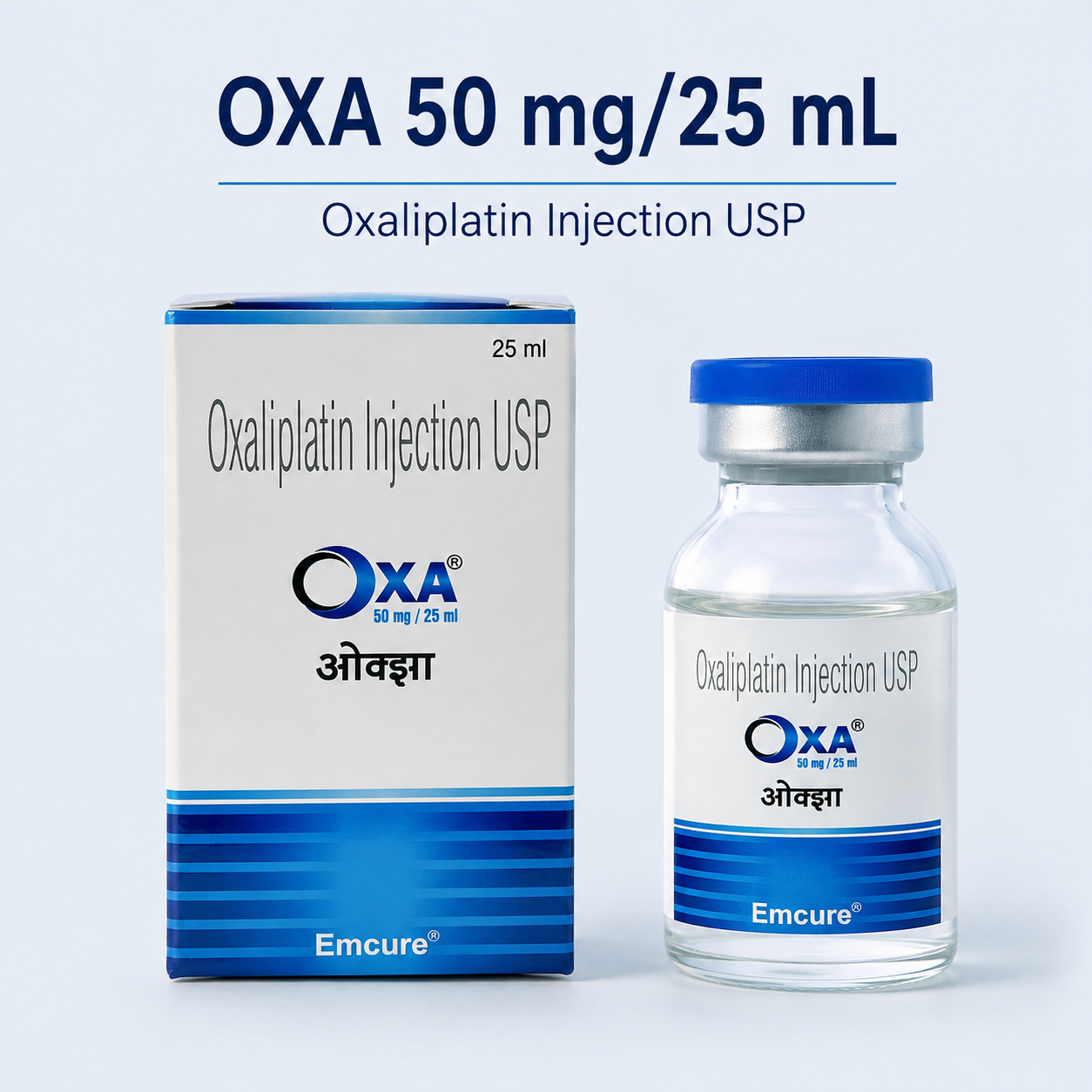
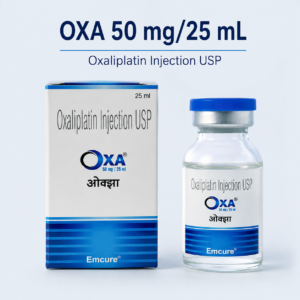
The supplied product image identifies the brand as OXA and shows Emcure on the packaging. Product-specific details such as batch information, manufacturing location, expiry date, storage conditions and pack configuration should always be checked on the physical packaging and official manufacturer documentation.
12. Frequently Asked Questions
1. What is OXA 50 mg/25 mL Injection used for?
OXA 50 mg/25 mL Injection contains oxaliplatin, a platinum-based chemotherapy medicine. Oxaliplatin is used in combination chemotherapy for certain colorectal cancers, including adjuvant treatment of stage III colon cancer after surgery and treatment of advanced colorectal cancer.
2. How does OXA 50 mg/25 mL Injection work?
Oxaliplatin forms platinum-DNA cross-links inside cells. These interfere with DNA replication and transcription, making it difficult for susceptible cancer cells to grow and multiply.
3. Is OXA 50 mg/25 mL Injection safe?
Oxaliplatin can be an important cancer treatment when prescribed appropriately, but it can also cause significant adverse effects. It requires medical supervision, monitoring and appropriate management of side effects. Serious allergic reactions and neurological toxicity are among the important risks.
4. Can oxaliplatin be used for long-term treatment?
The duration of treatment depends on the cancer type, treatment objective, chemotherapy regimen, response and side effects. Oxaliplatin should not be continued or stopped independently. The oncologist determines whether treatment should continue based on the patient’s clinical situation.
5. What happens if a scheduled oxaliplatin treatment is missed?
Patients should contact their oncology team if they cannot attend a scheduled treatment. The healthcare professional will decide when the next treatment should occur. Patients should not attempt to compensate for a missed treatment by changing the treatment schedule themselves.
6. Can oxaliplatin treatment be stopped suddenly?
Oxaliplatin is given as part of a planned chemotherapy regimen. Decisions about continuing, delaying, reducing or discontinuing treatment should be made by the treating oncologist. This may depend on treatment response, blood tests, neuropathy and other adverse effects.
7. Can OXA 50 mg/25 mL Injection be taken with food?
OXA 50 mg/25 mL Injection is administered intravenously, so it is not a medicine that is swallowed with food. Patients should follow the dietary instructions provided by their oncology team because individual chemotherapy regimens may have specific dietary considerations.
8. What are the common OXA 50 mg/25 mL Injection side effects?
Commonly reported adverse effects include peripheral sensory neuropathy, nausea, vomiting, diarrhea, fatigue, anemia, neutropenia, thrombocytopenia, stomatitis and changes in certain liver-related laboratory values.
9. Who should avoid oxaliplatin?
Oxaliplatin should not be used in patients with a history of serious hypersensitivity to oxaliplatin or other platinum-based drugs. Other medical conditions may require additional precautions or treatment adjustments, so the patient’s complete medical history should be reviewed before treatment.
10. How should OXA 50 mg/25 mL Injection be stored?
Storage should follow the manufacturer’s product instructions and applicable professional handling requirements. Because oxaliplatin is a cytotoxic chemotherapy medicine, preparation, storage, handling and disposal should be managed by trained healthcare professionals according to appropriate procedures.
13. Disclaimer
This product description is provided for educational and informational purposes only. It is not a substitute for professional medical advice, diagnosis or treatment.
OXA 50 mg/25 mL Injection contains oxaliplatin, a prescription chemotherapy medicine that requires specialist supervision. Do not self-medicate, self-administer or change a prescribed chemotherapy regimen based on information found online.
Patients should consult a qualified healthcare professional or oncologist for advice specific to their diagnosis, treatment plan, medical history and other medicines. Individual responses to treatment can vary, and the benefits and risks of chemotherapy should be assessed by the treating medical team.
Reviews
There are no reviews yet.