
Pacliwel 100 mg Injection: Uses, Benefits, Side Effects, Warnings and More
What is Pacliwel 100 mg Injection?
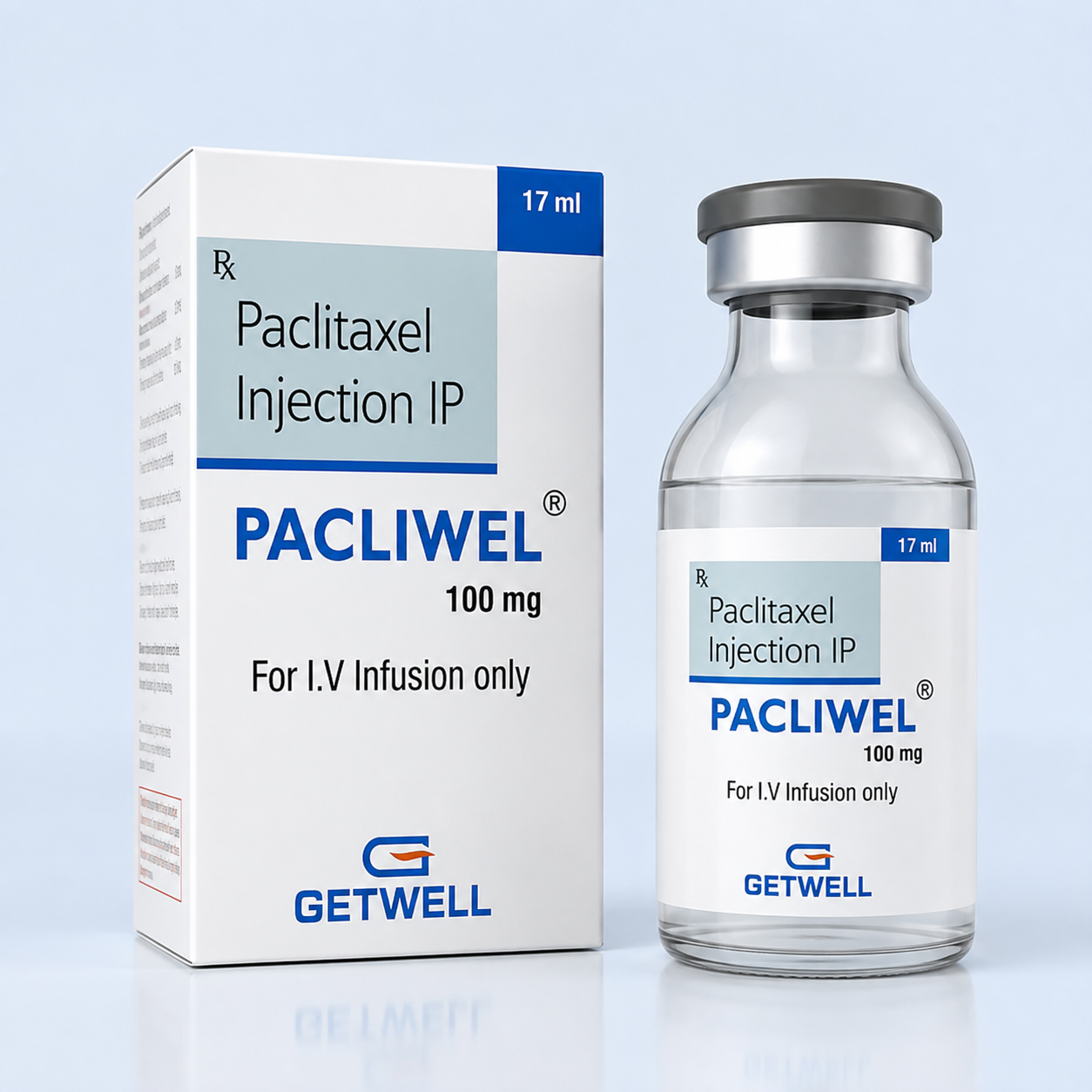
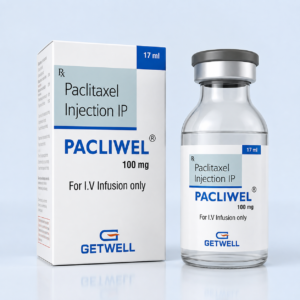
Pacliwel 100 mg Injection is a prescription anticancer medicine containing paclitaxel as its active ingredient. Based on the product packaging shown, Pacliwel is supplied as an injection for intravenous (IV) infusion and is labeled as containing 100 mg of paclitaxel in a 17 mL presentation. The packaging identifies Getwell as the manufacturer/brand owner.
Paclitaxel belongs to a group of anticancer medicines known as taxanes. It is used as part of chemotherapy regimens for the treatment of several types of cancer. Depending on the type and stage of cancer, paclitaxel may be used alone or together with other anticancer medicines.
Paclitaxel works by interfering with the normal process that cancer cells use to divide and multiply. It stabilizes structures called microtubules, which are important during cell division. By disrupting this process, paclitaxel can prevent rapidly dividing cancer cells from completing cell division and can ultimately lead to their death.
Because Pacliwel is a chemotherapy medicine, it is not intended for self-treatment. Its use requires assessment by an oncologist or another qualified healthcare professional. Treatment selection, dose, treatment schedule, and monitoring depend on factors such as the cancer being treated, previous treatments, blood-cell counts, liver function, and the patient’s overall health.
Uses of Pacliwel 100 mg Injection
Paclitaxel is used in the treatment of several cancers. The exact indication depends on the patient’s diagnosis and the chemotherapy regimen selected by the treating specialist.
Commonly recognized uses of paclitaxel-based treatment include:
- Treatment of certain forms of ovarian cancer
- Treatment of certain forms of breast cancer
- Treatment of certain forms of non-small-cell lung cancer
- Treatment of advanced AIDS-related Kaposi’s sarcoma in appropriate patients
- Use in selected combination chemotherapy regimens for other cancers, according to established oncology protocols
Paclitaxel may be given as part of combination therapy with other medicines. The appropriate treatment plan is determined by an oncology specialist after considering the individual’s cancer type and clinical condition.
This medicine should only be used under the supervision of a qualified healthcare professional.
Benefits of Pacliwel 100 mg Injection
Pacliwel provides the anticancer effects of paclitaxel, an established chemotherapy medicine used in a number of oncology treatment protocols.
Potential therapeutic benefits include:
- Helps inhibit the growth and multiplication of susceptible cancer cells
- Can form an important part of chemotherapy regimens for selected cancers
- May be used alongside other anticancer medicines to improve treatment effectiveness
- Can help control cancer growth in appropriately selected patients
- May contribute to reducing the progression of certain cancers when included in an appropriate treatment plan
The response to paclitaxel varies between individuals. It should not be considered a guaranteed cure, and its effectiveness depends on the cancer type, disease stage, treatment combination, and individual response.
How Does Pacliwel 100 mg Injection Work?
The active ingredient in Pacliwel is paclitaxel, which belongs to the taxane class of chemotherapy medicines.
Cancer cells generally divide more rapidly than many normal cells. During cell division, cells rely on microscopic structures called microtubules to organize and separate genetic material.
Paclitaxel binds to and stabilizes microtubules. Instead of allowing these structures to form and break down normally during cell division, paclitaxel prevents their normal rearrangement. This disrupts the cell-division process.
As a result, susceptible cancer cells can become unable to divide normally and may eventually undergo cell death.
Because some healthy cells also divide rapidly, paclitaxel can affect normal tissues as well. This helps explain why chemotherapy with paclitaxel can cause adverse effects such as reduced blood-cell counts, hair loss, and effects on the digestive system or nerves.
How is Pacliwel 100 mg Injection Given?
Pacliwel is an intravenous chemotherapy medicine and should be administered only by appropriately trained healthcare professionals in a suitable clinical setting.
The treatment regimen is individualized. The healthcare team determines the appropriate amount, infusion schedule, treatment duration, and combination with other medicines based on the patient’s cancer and medical condition.
Patients should:
- Receive the medicine exactly according to their oncology treatment plan.
- Never attempt to administer the injection themselves.
- Inform the healthcare team about previous reactions to chemotherapy or medicines.
- Tell the doctor about all prescription medicines, over-the-counter products, vitamins, and supplements being used.
- Attend recommended blood tests and medical appointments during treatment.
Specific paclitaxel dosage and infusion procedures should be determined exclusively by the treating oncology team.
Pacliwel 100 mg Injection Side Effects
Like all medicines, Pacliwel may cause side effects, although not everyone experiences them.
Common Side Effects
Possible adverse effects of paclitaxel include:
- Hair loss
- Tiredness or weakness
- Nausea or vomiting
- Diarrhea
- Loss of appetite
- Muscle or joint aches
- Temporary changes in blood-cell counts
- Peripheral neuropathy, which may cause numbness, tingling, or altered sensation in the hands and feet
- Injection-site or infusion-related reactions
The severity of side effects can vary. Some effects may be temporary and improve after treatment, while others may require medical management or adjustment of the treatment plan.
Serious Side Effects
Paclitaxel can sometimes cause serious reactions requiring prompt medical attention. These may include:
- Severe allergic or infusion-related reactions
- Significant reduction in white blood cells, increasing the risk of infection
- Severe reduction in other blood-cell types
- Serious infections
- Significant nerve-related symptoms
- Heart-related abnormalities in susceptible patients
- Severe liver-related complications in patients with impaired liver function
During treatment, healthcare professionals may monitor blood counts, liver function, and other relevant clinical parameters.
If side effects persist or become severe, contact your healthcare provider promptly.
Warnings and Precautions
Pacliwel should be used carefully because chemotherapy can affect multiple body systems.
Pregnancy
Paclitaxel can potentially harm an unborn baby. Patients who are pregnant, planning pregnancy, or could become pregnant should discuss this with their healthcare provider before treatment. Appropriate pregnancy-prevention advice should be provided by the treating medical team.
Breastfeeding
Breastfeeding may not be appropriate during paclitaxel treatment. Patients should discuss breastfeeding with their oncologist before starting therapy.
Liver Disease
Paclitaxel is processed substantially by the liver. Patients with liver problems should tell their doctor before treatment because impaired liver function may affect the handling of the medicine and increase the risk of adverse effects.
Blood-Cell Counts
Paclitaxel can reduce blood-cell counts. Medical teams commonly monitor blood tests during treatment to assess whether chemotherapy can be given safely.
Allergies
Patients should inform their healthcare provider about previous allergies or reactions to paclitaxel, related medicines, or other components of the formulation.
Heart Problems
Patients with existing heart disease or previous heart-related problems should inform their doctor. Appropriate monitoring may be required.
Driving and Machinery
Paclitaxel treatment can cause tiredness, weakness, dizziness, or other symptoms in some patients. Patients should follow their healthcare professional’s advice regarding driving and operating machinery.
Drug Interactions
Paclitaxel can interact with other medicines because several medicines can affect how paclitaxel is processed in the body.
Before receiving Pacliwel, tell the healthcare team about:
- Prescription medicines
- Over-the-counter medicines
- Vitamins and minerals
- Herbal products
- Other anticancer medicines
- Medicines used for infections or other chronic conditions
Patients should not start, stop, or change another medicine during chemotherapy without discussing it with their healthcare provider.
Storage Instructions
Pacliwel should be stored and handled according to the manufacturer’s instructions and applicable hospital or pharmacy procedures.
General precautions include:
- Keep the medicine in its original packaging when appropriate.
- Protect it from unsuitable environmental conditions.
- Keep it away from children.
- Do not use the product after its expiry date.
- Healthcare professionals should follow the product-specific requirements for preparation and handling.
Because Pacliwel is an injectable chemotherapy medicine, its preparation and administration should be performed by trained healthcare personnel.
Pacliwel 100 mg Injection Price and Availability
The Pacliwel 100 mg Injection price can vary depending on the pharmacy, healthcare facility, location, applicable taxes, and procurement arrangements. Patients should verify the current price and availability through a licensed pharmacy or authorized healthcare provider.
Because this is a prescription chemotherapy medicine, purchasing and use should be handled through appropriate medical and pharmaceutical channels rather than self-medicating.
Frequently Asked Questions
1. What is Pacliwel 100 mg Injection used for?
Pacliwel contains paclitaxel, a taxane chemotherapy medicine. Paclitaxel is used in treatment regimens for several cancers, including selected ovarian, breast, and non-small-cell lung cancers and certain other conditions. The exact indication depends on the patient’s diagnosis and the oncology treatment plan.
2. How does Pacliwel work?
Pacliwel contains paclitaxel, which interferes with microtubules involved in cell division. By stabilizing these structures and preventing their normal rearrangement, paclitaxel disrupts cancer-cell division. This can prevent susceptible cancer cells from multiplying and may ultimately cause them to die.
3. Is Pacliwel safe?
Pacliwel can be an appropriate treatment when prescribed and monitored by an oncology specialist. However, it can cause significant side effects, including reduced blood-cell counts, allergic reactions, and nerve-related effects. Safety depends on the patient’s medical condition, cancer type, treatment regimen, and appropriate monitoring.
4. Can Pacliwel be used for a long time?
The duration of paclitaxel treatment varies according to the cancer and the treatment protocol. It is generally administered in planned treatment cycles rather than according to a standard long-term schedule. The oncologist determines whether treatment should continue based on response, side effects, test results, and the overall treatment plan.
5. What happens if a scheduled Pacliwel treatment is missed?
Patients should contact their oncology team if they cannot attend a scheduled treatment. The healthcare team will determine when the next treatment should take place. Patients should not attempt to compensate for a missed chemotherapy treatment or change the treatment schedule independently.
6. Can Pacliwel be stopped suddenly?
Pacliwel is administered according to a planned chemotherapy regimen, so decisions about delaying, changing, or stopping treatment should be made by the treating oncologist. If serious side effects occur, the medical team may modify the treatment plan. Patients should not make changes without professional medical advice.
7. Can Pacliwel be taken with food?
Pacliwel is an injectable medicine administered by intravenous infusion, so food does not determine how the medicine itself is taken. However, patients may receive specific dietary or medication instructions around chemotherapy sessions depending on their individual treatment plan.
8. What are the common Pacliwel side effects?
Common side effects associated with paclitaxel can include tiredness, hair loss, nausea, vomiting, appetite changes, muscle or joint discomfort, changes in blood-cell counts, and peripheral neuropathy. The healthcare team should be informed if symptoms are persistent, worsening, or difficult to manage.
9. Who should avoid Pacliwel?
Pacliwel may not be appropriate for everyone. Particular caution may be required in people with certain allergies, significant liver problems, low blood-cell counts, or other medical conditions. The treating doctor reviews the patient’s medical history, test results, and current medicines before deciding whether paclitaxel is appropriate.
10. How should Pacliwel be stored?
Pacliwel should be stored and handled according to the manufacturer’s product information and healthcare-facility requirements. It should be kept away from children and should not be used after its expiry date. Since it is an injectable chemotherapy medicine, handling and preparation should be performed by trained healthcare professionals.
Disclaimer
This product description is provided for educational and informational purposes only and is not a substitute for professional medical advice, diagnosis, or treatment. Pacliwel 100 mg Injection contains paclitaxel, a potent prescription chemotherapy medicine that requires specialist supervision.
Do not self-medicate, alter a chemotherapy schedule, or attempt to administer this medicine without appropriate medical supervision. Always follow the prescription and instructions provided by your oncologist or qualified healthcare professional. Individual responses to treatment can vary, and the information provided here does not replace the official prescribing information or advice from your healthcare team.
Reviews
There are no reviews yet.